Integrating Venue Patterns and Recovery Timelines in Soccer Leagues and Racing Circuits for Selection Strategies
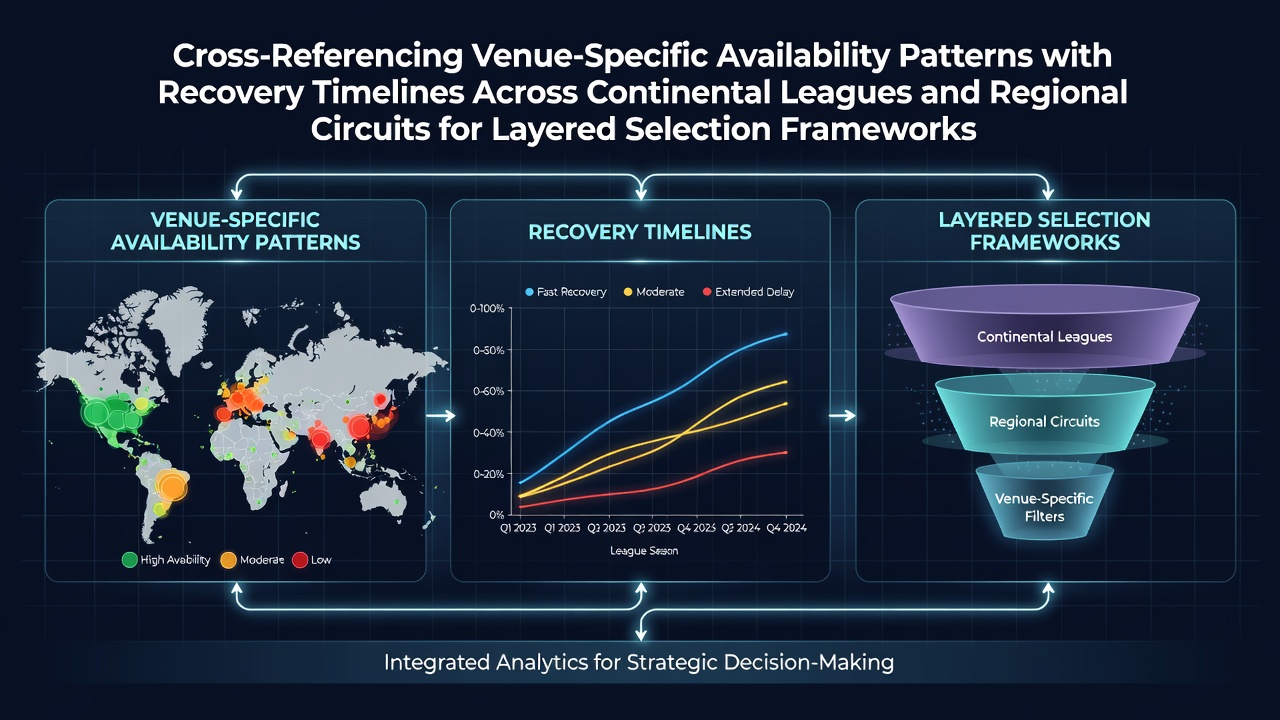
Continental soccer leagues and regional racing circuits generate distinct availability patterns that analysts track through venue-specific data, and these patterns connect directly to recovery timelines for players and runners alike. European competitions such as Serie A and Bundesliga maintain detailed records of squad availability at home and away grounds, while circuits in Australia and North America log similar metrics for thoroughbreds at tracks like Flemington and Santa Anita. Observers note that cross-referencing these datasets allows layered selection frameworks to incorporate both short-term and extended recovery windows rather than relying on isolated statistics.
Venue-Specific Patterns in Continental Leagues
Soccer squads display measurable differences in player availability depending on stadium location and fixture density, and researchers have documented how travel distances within leagues like Ligue 1 or La Liga influence return-to-play schedules after injuries. Data from the 2025-2026 season showed that teams playing midweek European matches recorded longer recovery periods for midfielders when returning to domestic venues, whereas defenders adapted faster at familiar home grounds. Analysts cross-reference these venue patterns against historical timelines to adjust selection layers before upcoming rounds.
June 2026 marks the start of several international windows that overlap with domestic league restarts, and this period creates additional layers for availability tracking because national team call-ups alter club recovery cycles. Figures from governing bodies indicate that players returning from such windows require venue-adjusted monitoring, especially when clubs shift between artificial and natural surfaces across regional circuits.
Recovery Timelines Across Regional Racing Circuits
Thoroughbred racing circuits maintain separate recovery protocols based on track surfaces and race distances, and trainers log these timelines alongside venue characteristics to predict runner readiness. Circuits in Canada and South Africa apply distinct heat-up and cool-down standards that differ from European turf tracks, creating a comparative dataset when layered against soccer recovery information. Studies indicate that horses racing on dirt ovals often follow shorter restoration periods than those competing on European grass, which allows frameworks to align equine timelines with soccer squad data for multi-sport selections.
Cross-Referencing Methods
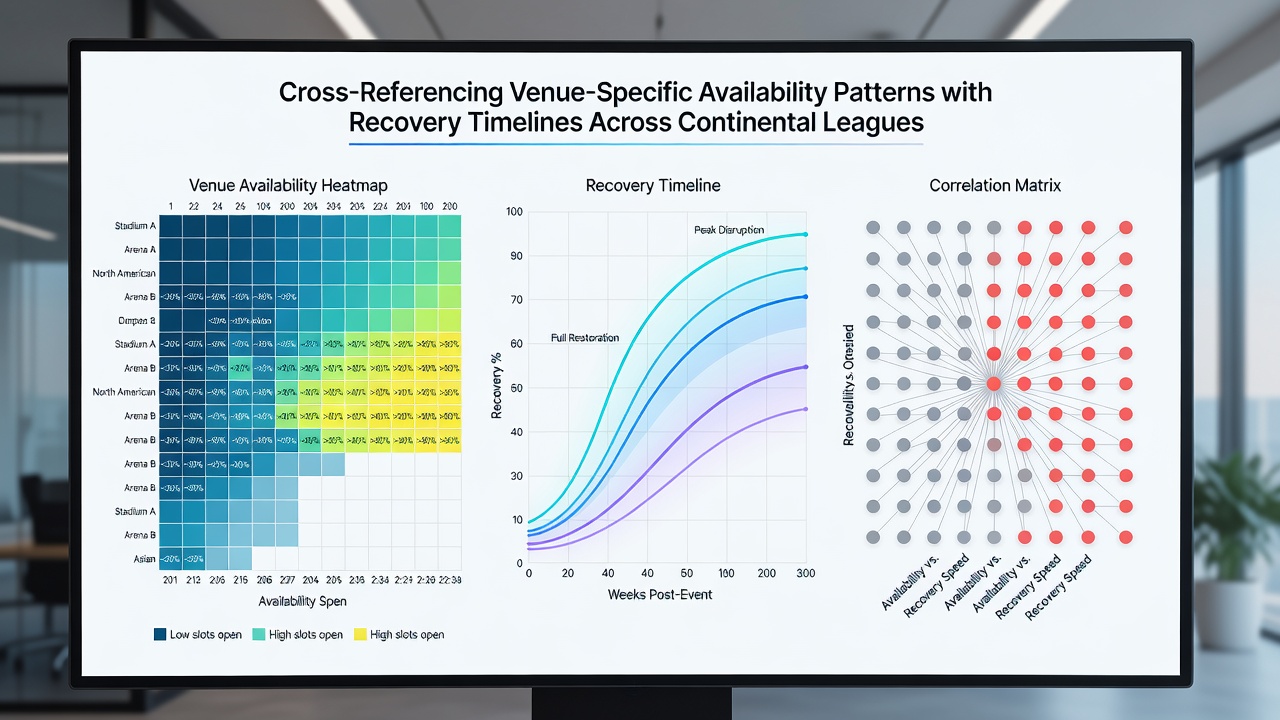
Layered selection frameworks combine these two domains by matching venue availability rates with corresponding recovery durations, and software tools now pull from multiple league databases to generate unified timelines. One approach involves tagging specific stadiums and tracks with recovery multipliers derived from past seasons, then applying those multipliers when new injury or layoff data arrives. This process produces layered outputs that prioritize selections where both soccer players and race entrants fall within optimal recovery windows.
Industry organizations such as the European Gaming and Betting Association have published guidelines on data integration that support these cross-referencing practices, and similar recommendations appear in reports from Australian racing authorities. Analysts apply these guidelines when building models that account for continental travel effects on soccer squads and surface changes on racing circuits.
Practical Applications in Layered Frameworks
Selection layers gain precision when recovery timelines receive venue weighting, and teams that implement such weighting report fewer misaligned accumulator components. A case from the 2025 season involved a Bundesliga side whose key forward returned earlier than expected at a home venue with shorter travel demands, while a concurrent racing meet at a regional circuit showed parallel restoration patterns for favored runners. Frameworks that incorporated both sets of data adjusted stake distributions accordingly.
Academic research from institutions including the University of Melbourne has examined how surface and climate variables affect recovery across sports, and these findings feed directly into cross-referencing protocols used by betting analysts. The studies emphasize that venue-specific factors such as altitude and humidity alter standard timelines, requiring constant updates to layered models rather than static assumptions.
Data Sources and Integration Challenges
Public datasets from regulatory bodies in multiple regions supply the raw availability figures, and integration requires alignment of reporting formats across soccer federations and racing boards. Challenges arise when recovery definitions differ between disciplines, yet standardized mapping techniques now convert layoff durations into comparable units. Observers note that June 2026 will introduce new data streams from expanded international calendars, which will test the adaptability of current cross-referencing systems.
Those who maintain layered frameworks update venue multipliers quarterly to reflect seasonal shifts, and this practice ensures selections remain grounded in the most recent recovery evidence. The approach avoids over-reliance on any single league or circuit by distributing weight across continental and regional sources.
Conclusion
Cross-referencing venue-specific availability patterns with recovery timelines produces layered selection frameworks that operate across soccer leagues and racing circuits. The method draws on documented data from multiple continents and applies consistent weighting to both player and runner information. As international schedules evolve into 2026, continued refinement of these integration techniques will support more granular selection layers while remaining anchored in observable recovery patterns.