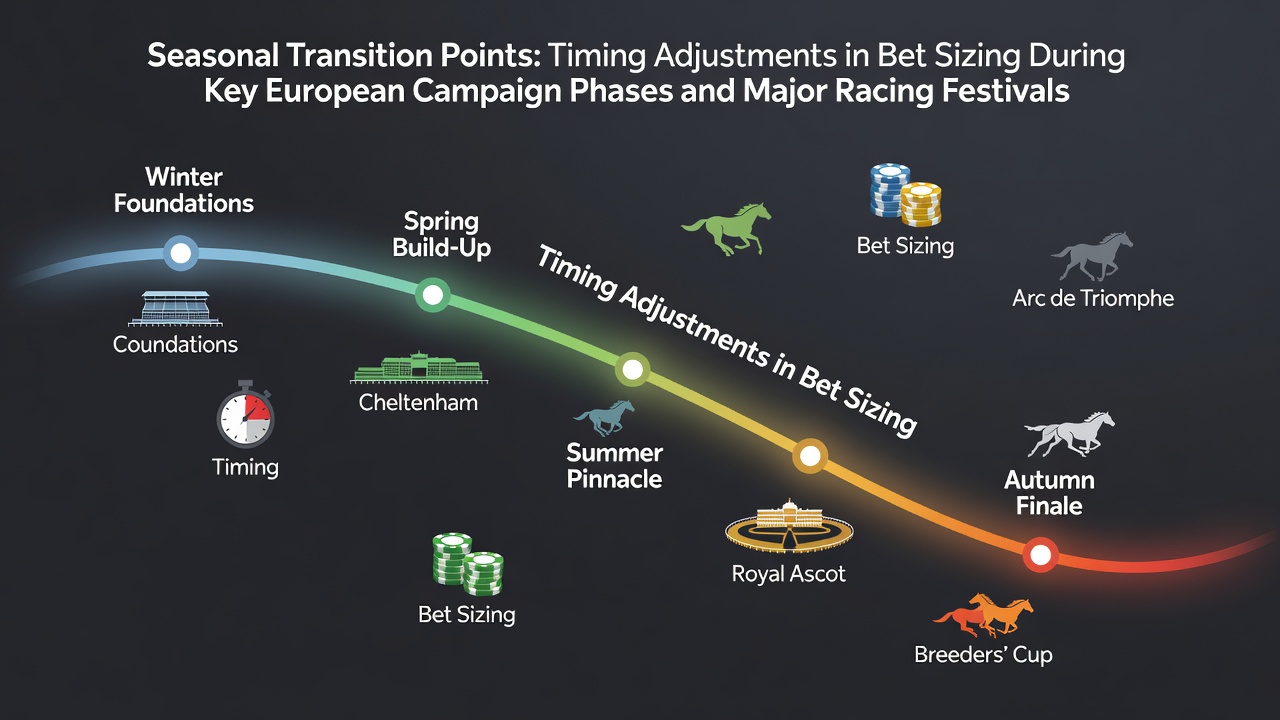
Mastering Stake Timing Across European Soccer Transitions and Festival Racing Events
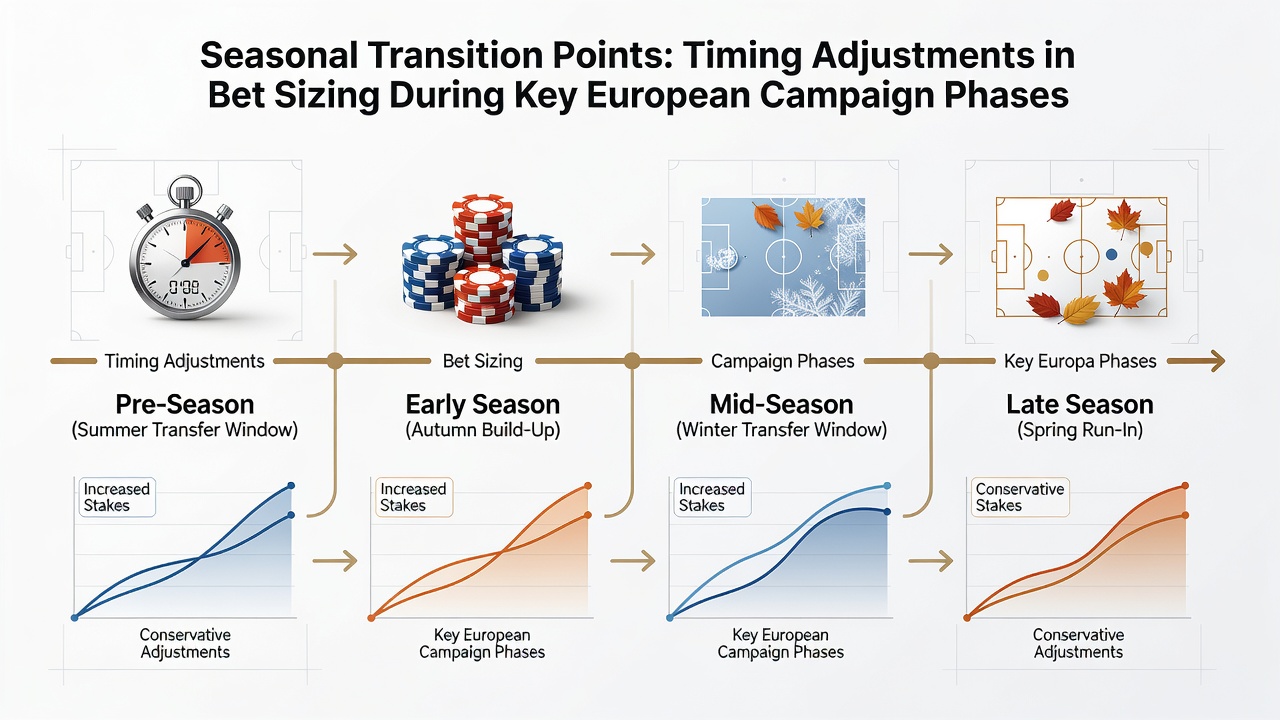
European soccer campaigns shift gears multiple times each year while major racing festivals create distinct windows for bet sizing recalibrations, and observers track these moments closely because data from past cycles shows clear patterns in performance variances. Summer breaks give way to pre-season preparations around July when squads rebuild fitness levels and fixtures pile up quickly after the opening weeks, whereas winter pauses allow recovery time before spring pushes intensify. Those who monitor these transitions adjust stake proportions accordingly rather than maintaining static amounts throughout the calendar.
European Campaign Junctures and Stake Scaling
League starts in August follow intense July training blocks, and records indicate that early-season form often diverges from later patterns because teams experiment with tactics and lineups. Data from multiple campaigns reveals that bettors who scale down initial wagers by fifteen to twenty percent during the first four weeks avoid overexposure while results stabilize. Mid-season breaks around December introduce another recalibration point since squads rotate personnel for congested schedules, and figures from continental competitions demonstrate higher variance in outcomes during these stretches.
Researchers at institutions such as the European Gaming and Betting Association have compiled metrics showing that adjusted sizing during transitions correlates with steadier long-term returns across major leagues. Spring phases bring fatigue factors into play as title races and relegation battles tighten, which prompts further stake moderation in high-volatility matches. Observers note that combining these adjustments with fixture congestion data produces measurable edges without relying on subjective forecasts.
Racing Festival Windows and Position Sizing
Major festivals like Royal Ascot and the Cheltenham Festival create concentrated periods where field sizes swell and pace dynamics shift dramatically, and historical results highlight the value of resizing bets around these peaks. July meetings at tracks such as Newmarket and Ascot feature ground condition changes that affect runner suitability, while data from past seasons shows improved outcomes when stakes align with confirmed declarations rather than pre-festival projections. Those who study pace figures often reduce exposure on uncertain cards and increase commitments once trends emerge over the first two days.
International reports from bodies including the Australian Gaming Council indicate that festival-specific sizing models, when applied consistently, reduce drawdown risks compared with uniform approaches. Handicappers examine trainer patterns across similar events and adjust accordingly, especially when ground reports arrive late. July 2026 schedules will again place emphasis on these timing considerations as European flat seasons overlap with international fixtures, creating additional layers for bettors to navigate.
Integrated Timing Across Both Codes
Cross-code bettors frequently encounter simultaneous transitions where soccer pre-season overlaps with summer racing cards, and coordinated sizing strategies become essential. Records compiled over several years demonstrate that unified calendars allow for proportional allocation across both markets rather than isolated decisions. Weather variables, squad news, and declaration updates all converge during these windows, prompting recalibrations that reflect the combined volatility.
Academic analyses from university-led studies on sports performance have documented how phased stake reductions during high-uncertainty periods preserve capital for clearer opportunities later. Those tracking both codes often apply tiered sizing bands that tighten during festival weeks and loosen once patterns stabilize post-transition. Evidence suggests these methods maintain consistency even as external factors evolve year to year.
Conclusion
Seasonal transition points in European soccer and major racing festivals provide recurring opportunities for precise bet sizing adjustments based on established performance data and scheduling realities. Observers who align stake levels with these documented phases report steadier outcomes across full cycles, and ongoing monitoring of 2026 events will continue to refine these approaches through accumulated records.