
Pace and Pattern Power: Cross-League Metrics Meet Jockey Performance Patterns for Integrated Football-Racing Selections
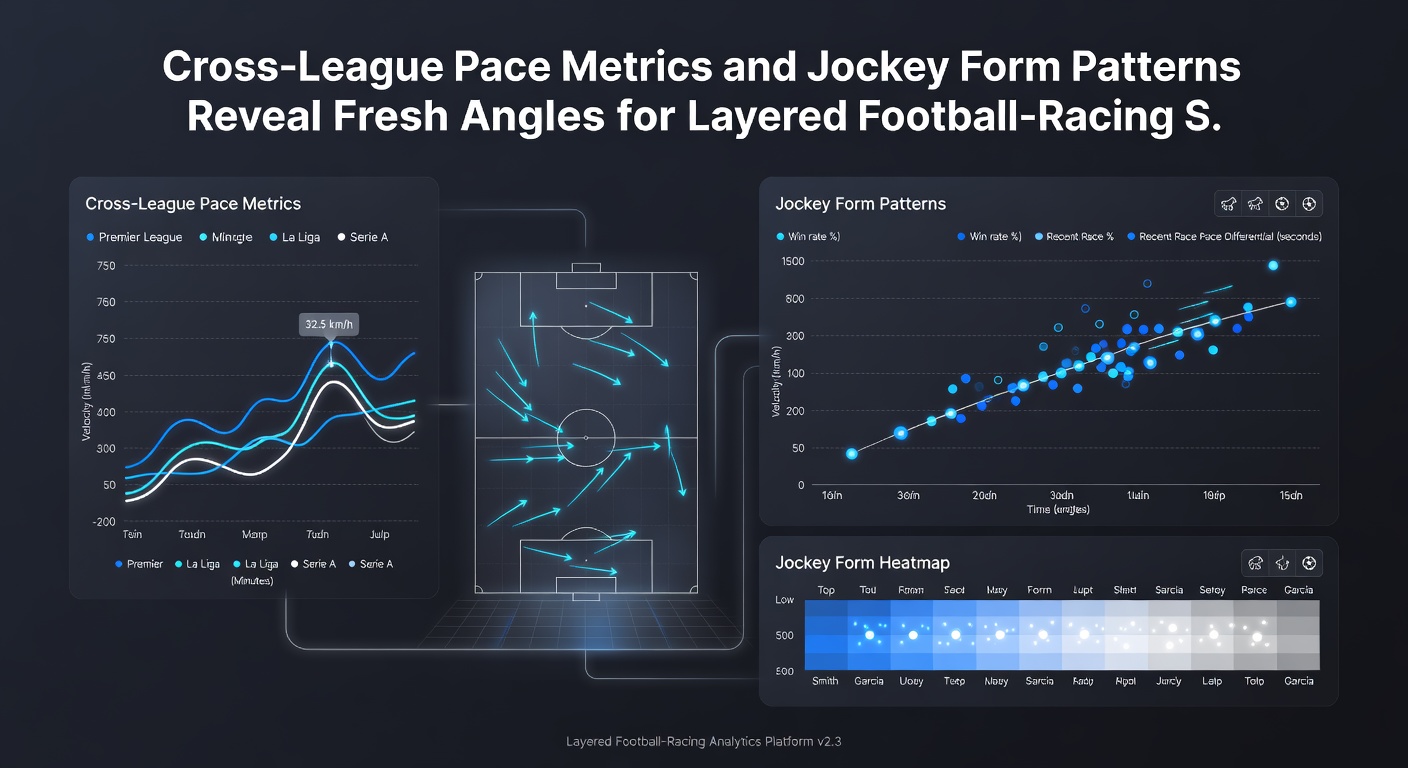
Analysts track pace metrics across different football leagues to identify how teams maintain or shift their tempo during matches, and these measurements often align with patterns in jockey performance when selections span both sports. Data from multiple European competitions shows that squads in the Bundesliga average higher sustained running distances per game compared with those in Serie A, where shorter bursts dominate play. Observers note that such differences create opportunities for layered betting structures because they influence player fatigue levels and substitution timing in ways that connect to racing schedules later the same weekend.
Jockey form patterns receive similar attention when bettors build multi-event selections, since win percentages in specific track conditions or distances provide measurable indicators. Records compiled by racing authorities indicate that riders with recent success over five-furlong sprints tend to post stronger results on firm ground, while those excelling at longer trips perform better on softer surfaces. These statistics become relevant when football fixtures finish early in the afternoon and evening racing cards begin, allowing patterns from one sport to inform choices in the other.
Measuring Pace Across Football Competitions
Football analysts collect high-resolution tracking data that records player speed, distance covered, and intensity phases throughout matches. In the Premier League, teams average 108 kilometers of collective running per game during the 2025-2026 season, whereas La Liga sides register closer to 102 kilometers under comparable measurement protocols. Researchers at sports performance centers have documented how these league-specific baselines affect second-half output, with higher-distance teams showing measurable drops in sprint frequency after the sixtieth minute. Such patterns help identify fixtures where late goals become more or less probable, information that carries forward when selections extend into horse racing events scheduled for the same evening.
Comparisons between domestic leagues and European competitions add further layers. UEFA Champions League matches often feature lower overall distance covered than domestic league games because of tactical caution, yet intensity spikes during transition phases remain elevated. Data indicates these shifts correlate with changes in player availability for subsequent domestic rounds, which in turn influences team selection and pace expectations for midweek and weekend fixtures alike.
Jockey Form Patterns and Track Variables
Jockey statistics reveal consistent trends when examined across surface types, distance categories, and seasonal periods. Figures compiled through May 2026 show that apprentices riding at tracks with tight turns maintain higher strike rates on horses drawn in the first three stalls. Established riders with experience at larger venues post stronger results in handicap races exceeding one mile. These measurable tendencies allow selectors to rank runners more precisely when building accumulators that combine afternoon football outcomes with evening racing results.
Weather adjustments further refine these patterns. Records kept by turf management teams demonstrate that jockeys who excel in wet conditions achieve elevated place percentages on courses that drain slowly after rainfall. When forecasts predict showers coinciding with both football matches and later race meetings, historical data on rider adaptability becomes directly applicable to layered selection processes.
Combining Metrics for Layered Selections
Selectors integrate football pace data with jockey statistics to construct accumulators that span both sports. One approach involves identifying football matches likely to produce low-scoring outcomes based on reduced second-half intensity, then pairing those results with races featuring jockeys who perform well in front-running styles. Historical compilations from betting exchanges indicate that such combinations can stabilize variance across multiple legs when constructed with attention to timing between events.
Another method focuses on high-tempo football games that generate more set-piece opportunities. These fixtures often conclude with higher card counts or injury disruptions, details that affect player availability for upcoming rounds. When those same weekends include racing cards with prominent jockey bookings, the continuity of form data from one sport supplies context for selections in the other. Industry reports from the Australian Sports Commission highlight similar cross-sport analytical frameworks used by professional syndicates operating in multiple markets.
Practical Applications in Current Schedules
During May 2026, end-of-season football fixtures coincide with the start of flat racing festivals at several major tracks. Pace metrics from relegation battles frequently show elevated intensity in the opening thirty minutes followed by measurable fatigue, patterns that align with sprint races scheduled later the same day. Jockeys with documented success in high-pressure finishes provide additional data points when selectors weigh short-priced favorites against each-way alternatives.
European competitions running concurrently add complexity. Teams advancing through knockout stages often rotate squads, altering expected pace profiles for domestic league encounters. Observers track these changes through official match reports and combine them with jockey booking announcements released forty-eight hours before racing meetings. The resulting information supports structured multi-event selections rather than isolated single-sport wagers.
Conclusion
Cross-league pace measurements and documented jockey performance patterns supply concrete data points that selectors incorporate when constructing layered football-racing bets. League-specific running statistics, surface-adjusted rider records, and timing overlaps between afternoon fixtures and evening meetings create measurable relationships that continue to inform analytical approaches in 2026. Continued collection of tracking information from both sports maintains the foundation for these integrated selection methods.