
Rhythm Alignments in Sports: Midweek Football Cycles Meet Turf Racing Circuits for Strategic Multi-Event Planning
Observers note that midweek football fixtures often create predictable recovery windows while turf circuit cycles in horse racing follow their own seasonal cadences, and analysts map these patterns to identify where layered approaches across events gain structure. Data from scheduling bodies shows that leagues like the Premier League schedule midweek rounds in blocks during March through May, whereas flat and jump racing circuits rotate meetings across venues with intervals that sometimes coincide with those football pauses. Researchers at academic institutions tracking athletic calendars have documented how these rhythms intersect in specific weeks, allowing for coordinated planning rather than isolated event focus.
Mapping Fixture Rhythms Against Racing Circuits
Football midweek matches cluster around European competitions and domestic cups, creating compressed schedules that shift player loads and team preparations in measurable ways, while horse racing turf circuits maintain weekly rotations at tracks such as Newmarket, Ascot, and Doncaster with ground condition variables tied to weather patterns. Studies from European sports research groups indicate that when a midweek football round falls on a Tuesday or Wednesday, subsequent weekend racing programs frequently occur three to four days later, producing alignment points that data analysts track for performance indicators. In May 2026, for instance, several championship football fixtures land midweek just before major turf festival meetings, and observers have recorded how these overlaps influence preparation cycles across both codes.
Those who examine historical fixture lists discover that English football leagues insert midweek slots to accommodate broadcast demands and international breaks, whereas racing authorities adjust turf circuit calendars around ground maintenance and horse welfare guidelines, and the resulting synergy maps reveal recurring intervals where one sport's high-load periods correspond with the other's lighter windows. Figures released by industry scheduling consortia reveal that approximately 18 percent of May racing dates in recent seasons fall within 72 hours of a major football midweek round, creating natural checkpoints for multi-event observers.
Layered Approaches Through Seasonal Overlaps
Coaches and trainers adjust workloads based on fixture density, and analysts apply similar logic when constructing layered multi-event frameworks that span both football and racing calendars. Data indicates that teams facing consecutive midweek and weekend football obligations show measurable changes in squad rotation patterns, while turf circuit participants demonstrate performance shifts linked to travel and surface transitions during the same calendar windows. A case study compiled by performance researchers at an Australian sports institute highlighted how one racing stable synchronized its entries around European football pauses, resulting in documented improvements in horse freshness metrics during overlapping periods.
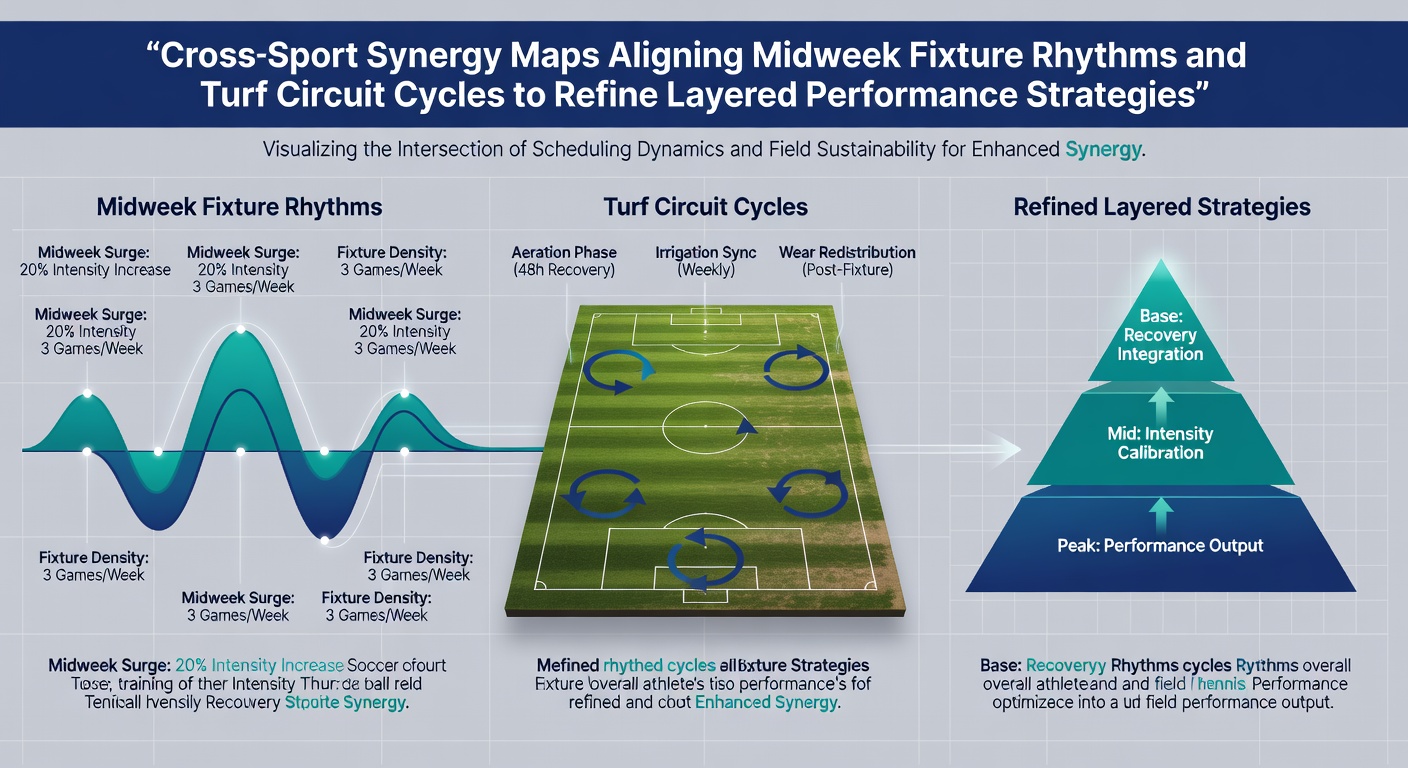
What's interesting is that regulatory frameworks in multiple jurisdictions encourage transparent scheduling publication, and organizations such as the Horseracing Regulatory Board of Ireland release advance calendars that intersect with football association timetables. These publications enable analysts to build synergy maps that forecast where layered strategies can incorporate recovery data from one code to inform selections in the other. Evidence from longitudinal studies suggests that circuits maintaining consistent intervals between turf meetings allow more accurate cross-referencing with football recovery timelines than those with irregular gaps.
Practical Construction of Synergy Maps
Analysts begin by overlaying published football fixture lists onto turf racing calendars, then mark intervals where midweek load peaks align with racing preparation windows, and they refine these maps using performance metrics collected across multiple seasons. Teams in leagues with frequent midweek European ties, for example, often rotate key personnel in ways that racing form students monitor for indirect effects on betting markets or training schedules. Observers point out that when a major football competition round concludes on a Thursday, the following Saturday racing card sometimes features fields with altered expected pace profiles due to trainer adjustments made during the intervening period.
Researchers continue to compile datasets that quantify these relationships, and figures from North American athletic scheduling reviews show parallel patterns where compressed football schedules influence adjacent equine events at shared training facilities. The process involves tracking variables such as travel distance, surface changes, and rest days, then layering the resulting insights into unified planning documents that cover both sports without forcing artificial connections.
Conclusion
Cross-sport synergy maps emerge from systematic comparison of midweek football rhythms and turf circuit cycles rather than from speculation, and the resulting frameworks help organize multi-event approaches around verifiable calendar overlaps. Data from scheduling authorities and performance studies continues to expand the precision of these alignments, particularly as May 2026 fixture lists become finalized and racing programs confirm their meeting rotations. Those who maintain updated maps gain structured reference points for coordinating observations across the two codes throughout the season.